


Bronze 150
2025: the Year of Bronze
The year 2025 is all about Bronze, culminating in the exhibition Les Maîtres du feu. The Bronze Age in France (2300-800 BC) presented at the Musée d'Archéologie Nationale.
Designed in partnership with the Institut national de recherches archéologiques préventives (Inrap) and the Association pour la promotion des recherches sur l'âge du Bronze (Aprab), this exhibition is part of an ambitious nationwide "Bronze Season" orchestrated to highlight the most recent discoveries on this seminal period. Throughout France, museums, institutions and researchers are mobilizing around a rich program of exhibitions, conferences, publications and mediation. The Bronze Age is in the spotlight.
The story of a metal revolution
The adoption of bronze - an alloy of copper and tin - turned European societies upside down: new economies, long-distance exchange networks, the emergence of hierarchical powers, the prestige of craftsmen, the circulation of objects, new ritual practices. This turning point marks a rupture.
A veritable new age of the world then opened up, in which metal became central and exchanges, notably through maritime navigation, developed considerably in the Mediterranean as well as on the English Channel.
Invisible but eloquent remains
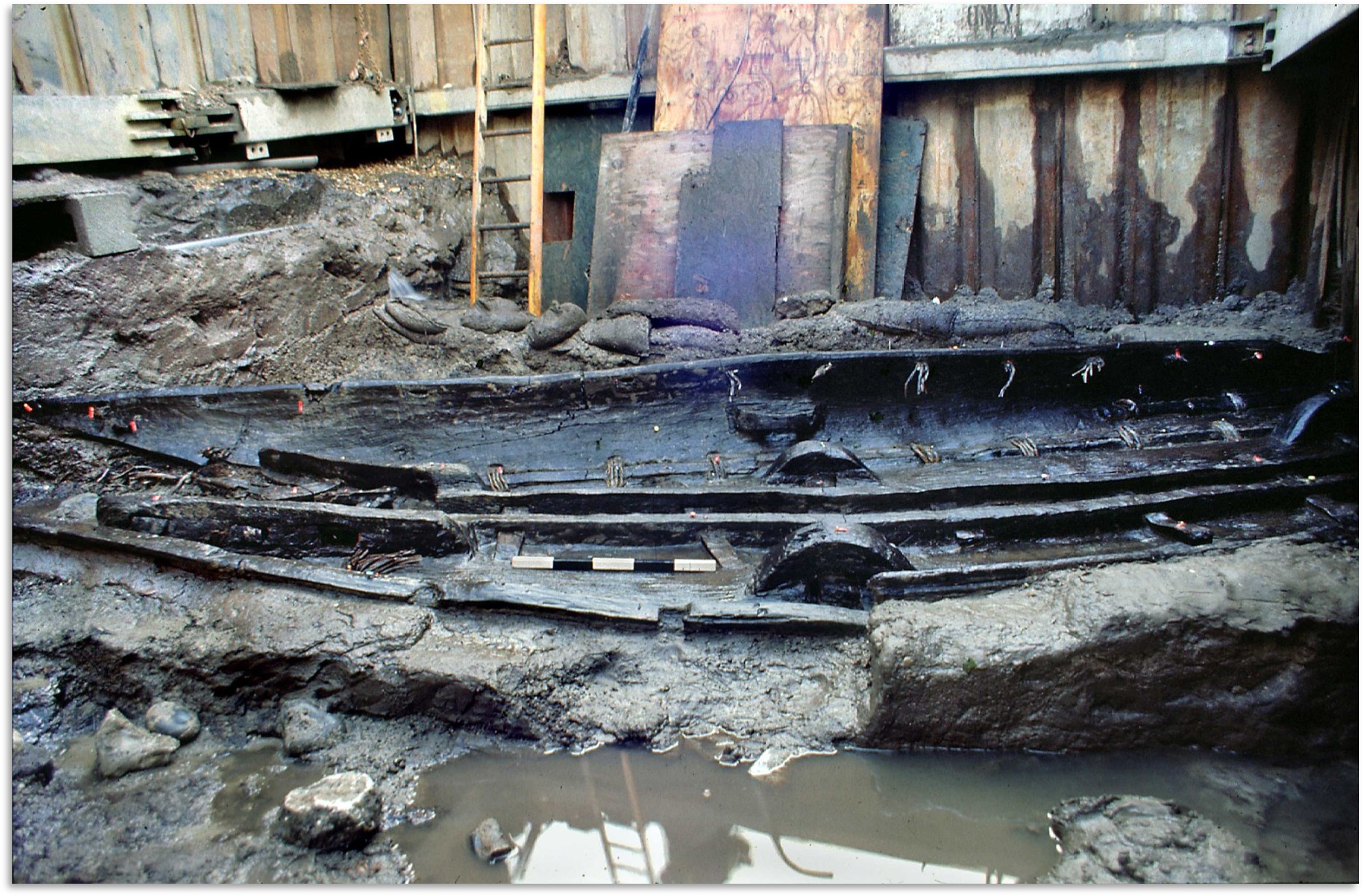
The map of Bronze Age sites bears witness to the scale of the discoveries made over the last twenty years, largely thanks to the rise of preventive archaeology.
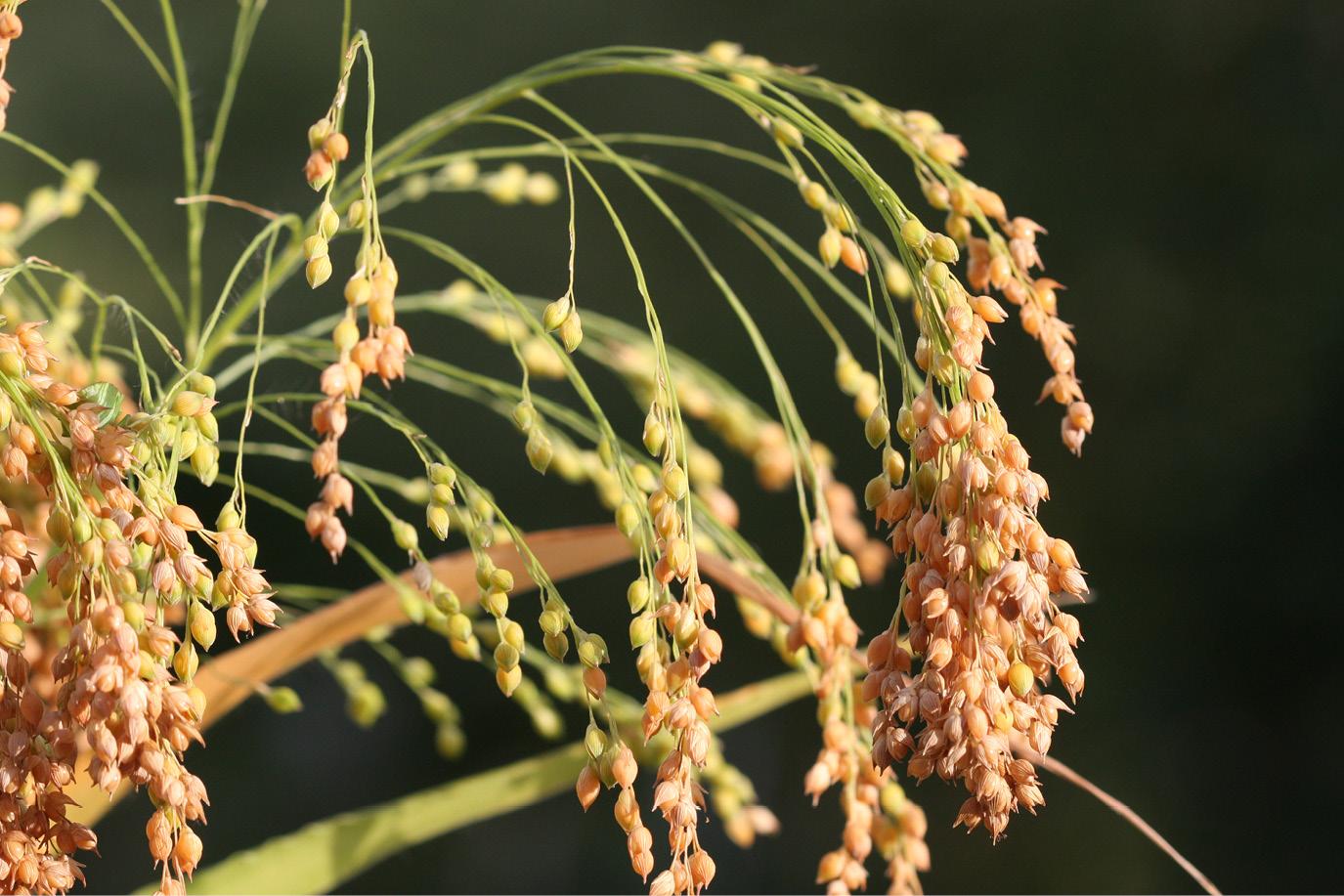
Alluvial plains, plateaus, mountainous areas, coastlines, rivers and lakes - all geographical environments are concerned. The density of deposits unearthed is impressive. And yet, the remains are often discreet, reduced to simple traces on the ground: post-holes, pits, domestic hearths. Nothing spectacular at first glance. The perishable nature of the materials used - wood, cob, plant fibers - explains the disappearance of these architectures on the surface. But these modest structures provide archaeologists with a dense and precious history, patiently reconstructed, offering fragment by fragment vital information on the organization of housing, everyday gestures and the evolution of Bronze Age societies.
To discover
The Fire Masters
Exhibition from June 13, 2025 to March 9, 2026

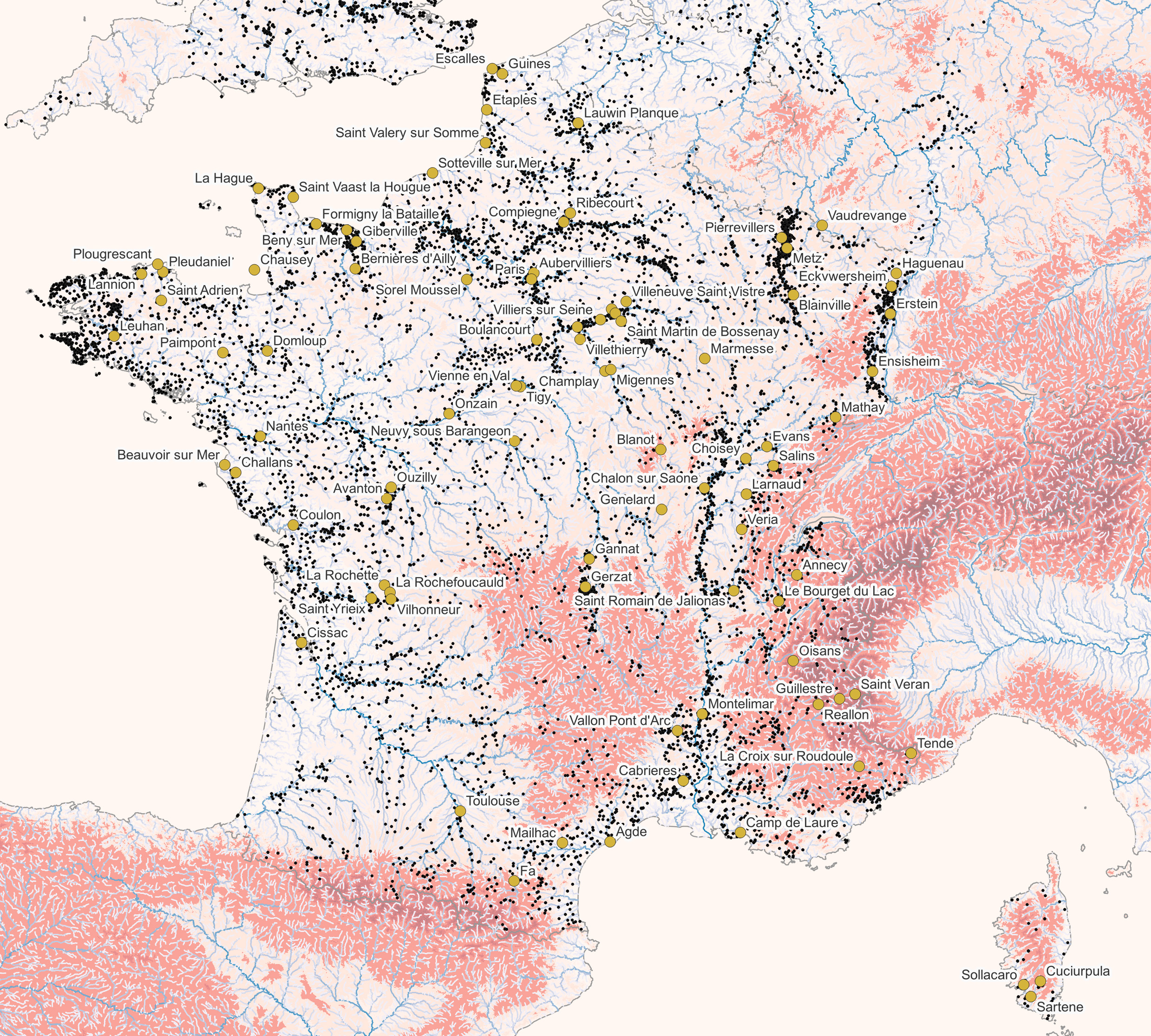
Farming in the Bronze Age
Archeo-experimentation in the national domain
Archaeologists unveil the Bronze Age
Exhibition in the national domain